
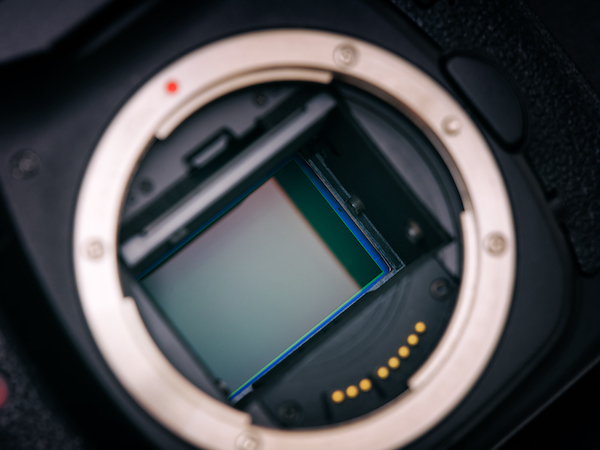
CCD Vs. CMOS – Which Is Best?
Today’s two main types of image sensor technology are used in digital cameras: CCD and CMOS. Both have their benefits and cons, but which one is ultimately better? Let’s examine each technology to find out. […]

CMOS/CCD Lenses In Biotechnologies
Technological advancements have left their imprints on almost every industry across the globe — from healthcare to so-called legacy industries (retail, construction, and hospitality). The biotechnology industry is no exception. One of the recent technological breakthroughs in the world of biotechnology has been the integration [...]

Time-Of-Flight Cameras
New and expanding ideas of how we look at things is growing almost at an exponential pace. Engineers, scientists and designers are always looking for ways to see things we’ve never seen before. One piece of this emerging technology is what’s known as Time-of-Flight (ToF) cameras. The easiest way of [...]

Precision Lenses For Video Conferencing
Video Conferencing has become increasingly popular in the workplace these days, but sometimes conferencing space is limited. Squeezing multiple people into small huddle rooms and trying to get everyone to look good on camera can be a challenge. […]

CMOS Imaging Technology
Initially, CMOS (Complementary Metal Oxide Semiconductor) was limited because of its inherent noise, however, CMOS imaging technology is now trending to become the dominant imaging technology. The original architectural design was essentially analog, and the concept of integrating the image processing features with System On Chip (SoC) technology had not [...]
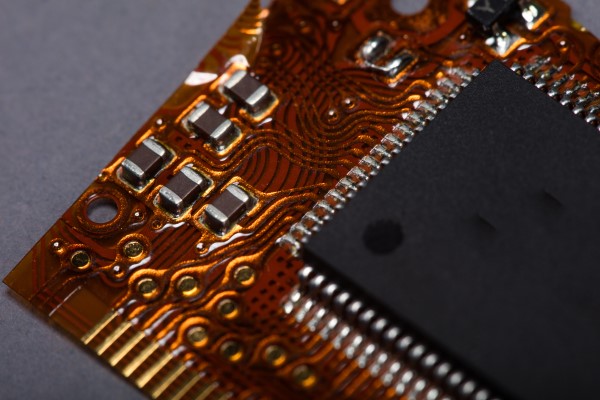
CMOS Image Sensors
Virtually all digital and video cameras use CMOS image sensors. In the past two decades, numerous advances have been made in this type of imaging technology. Now, CMOS image sensors are beginning to be made with superior quality that will provide a large range of new products for military and [...]
CMOS Versus CCD
When it comes to the relative advantages of CMOS versus CCD images, it seems that the debate has continued for as long as most people can remember. Since there is no definitive conclusion in sight, it’s not surprising that the answer is elusive, as the topic isn’t static. Not only [...]

CCD Camera Lens Offers Real Time Alignment
Researchers have developed a lens that simulates the human eye and is better able to align a theodolite system. A theodolite system is a “an instrument used in the testing, alignment, and building of various systems ranging from a single optical component to an entire instrument.” This device offers [...]

Optical Encoders Improve Zoom Accuracy
Photographers understand the need for zoom lenses on their cameras as do operators of cameras in commercial applications. Consider the camera phone with its digital or optical zoom – or in some cases, both. What are the differences in the zooms? An optical zoom changes the effective focal length [...]
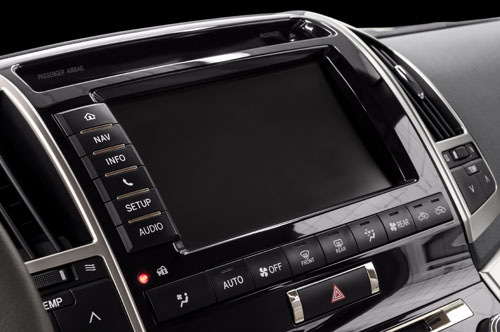
High-tech Automotive Camera Technology
High performance vehicles typically bring with them high performance technologies such as back up cameras, lane drift sensors and other in-car products to make driving safer. Optical technologies such as ghosting lenses that are suitable for CMOS imagers and miniature fisheye lenses that offer a field of view of [...]
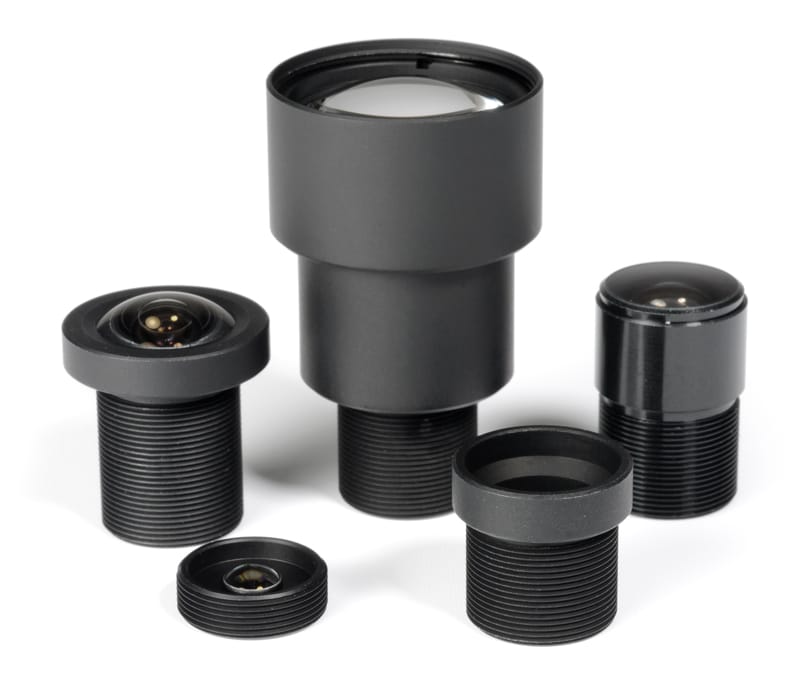
What’s Better? CMOS or CCD?
The debate continues on which is best; CMOS or CCD sensors. In today’s cameras, CMOS lenses are more typically used as they allow for a more complex imaging effect and for the shooting of 1080p video. Traditionally, CCD sensors had been believed to have captured and produced higher-quality images with [...]

Pathogen Movement Measured by CMOS Cameras
Technology plays a role is so many aspects of our lives and now researchers are using imaging technology to examine the pathogen that causes “African sleeping sickness” also known as trypanoosmiasis. This epidemic takes the lives of more than 30,000 annually and can also infect and kill entire herds of [...]
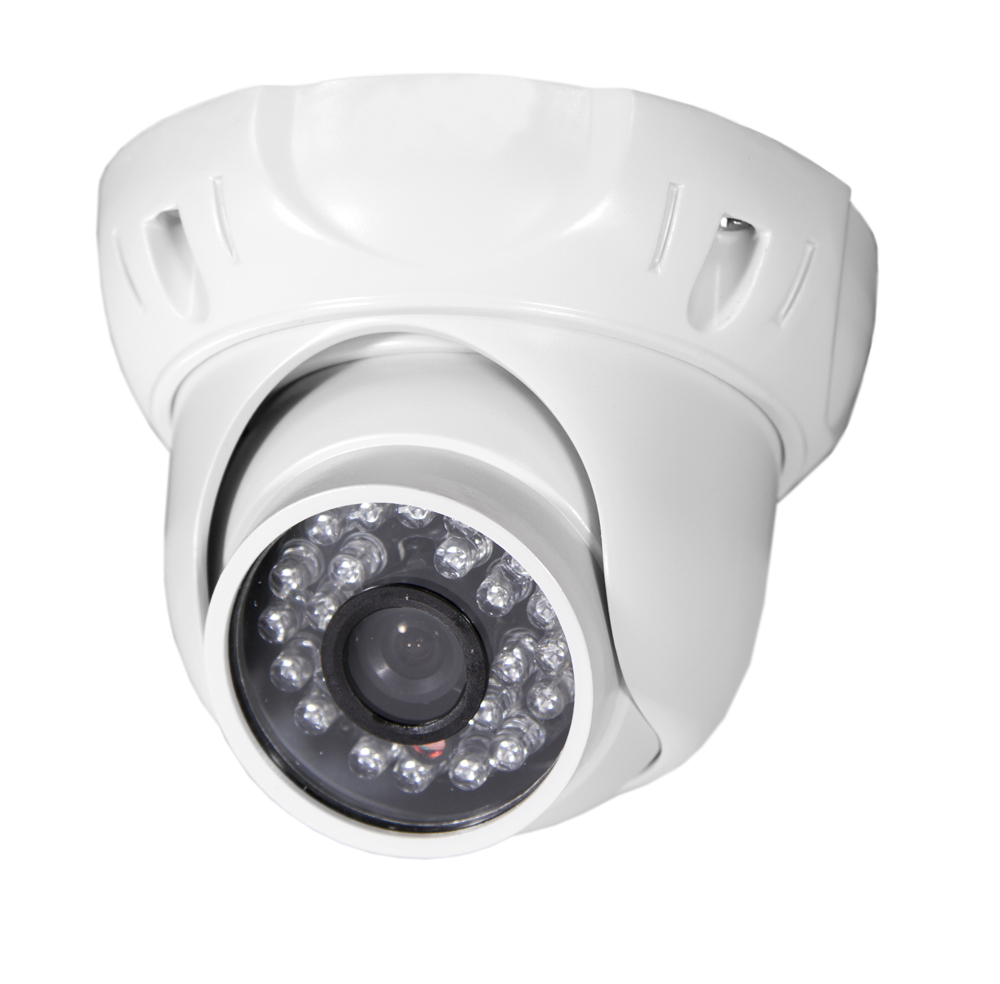
Which Sensor Technology Is Best For Your Applications: CMOS or CCD?
Cameras are constructed with image sensors embedded within. The sensors are either of the charge coupled device (CCD) or the complementary metal oxide semiconductor (CMOS) style. Both of the sensors perform similar tasks – convert photons (light) into electrons (electrical signals). The main difference in these sensor technologies is the [...]

New CMOS Smartphone Camera Detects Cosmic Ray
Have you ever wanted to detect the amount of interstellar cosmic radiation hitting the earth? It’s probably not top of mind for most people but a professor of physics from the University of Wisconsin thought that would be cool so he created an app to do just that! Cosmic rays [...]
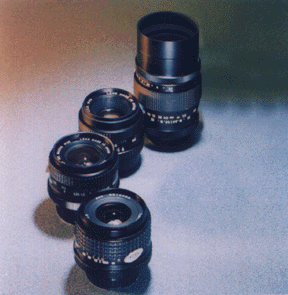
What’s New: New Line Up of Photographic Lens Assemblies Ideal for Large Format CCD Imaging Applications
New Line Up of Photographic Lens Assemblies Ideal for Large Format CCD Imaging Applications Universe Kogaku (America), Inc., a leading designer and manufacturer of lenses, assemblies, and accessories, announces a complete line of off-the-shelf, manual photographic lenses with various focal lengths, which are an economical alternative for large format CCD [...]
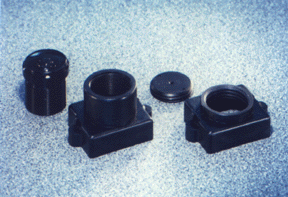
What’s New: New Mounts for CCD Lens Assemblies Improve Camera Design and Performance
New Mounts for CCD Lens Assemblies Improve Camera Design and Performance Universe Kogaku introduces the new BO1 and BO2 Lens Mounts for Universe CCD Lens Assemblies. Applicable for OEM use in security, machine vision, multimedia and related vision products, the mounts fit most popular CCD footprints, and aid in improving [...]
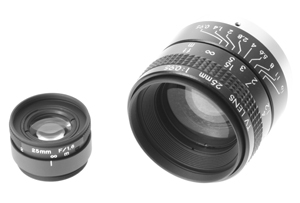
What’s New: EL1025IR and 2516-CIR
What's New: EL1025IR and 2516-CIR EL1025IR and 2516-CIR: 25mm CCD Lenses Universe Kogaku America adds to its existing line of C-mount lenses, 2 new 25mm lenses for imaging applications in the Infra-red light spectrum. Available in format coverage of up to16mm with a brightness ratio of 0.95, these lenses [...]
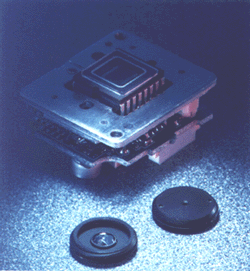
What’s New: Pinhole CCD Lens Assemblies
Pinhole CCD Lens Assemblies Minimize Space Requirements for Wide-Angle Viewing Two sub-miniature "Pinhole" CCD Lens Assemblies, minimize space requirements for wide-angle, black and white viewing in covert security and compact imagining applications. Universe provides complete value-added and custom design capabilities, including technical support, prototypes, and shorter long production runs. [...]
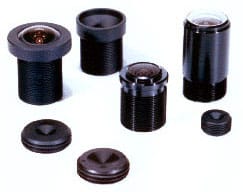
CCD/CMOS Lens Assemblies for Medical Systems
Universe Optics designs custom lens assemblies for use in medical systems and many other types of devices; learn more at universeoptics.com
CCD/CMOS Lens Assemblies For Video Conferencing
When it comes to quality video conferencing, the CCD/CMOS lens is crucial; inferior lenses lead to inferior performance; learn more at universeoptics.com
CCD Lens | CCD Sensor
A CCD sensor captures and records images of specimens and transmits it to a computer monitor; learn more at universeoptics.com