
Medical and Forensic Lenses from Universe Kogaku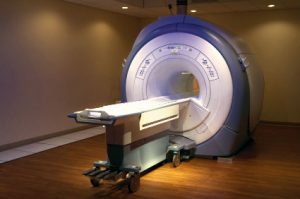
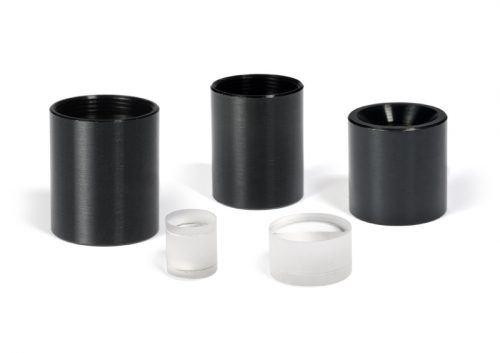
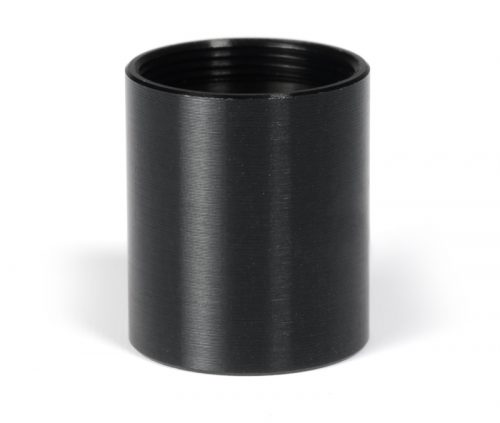
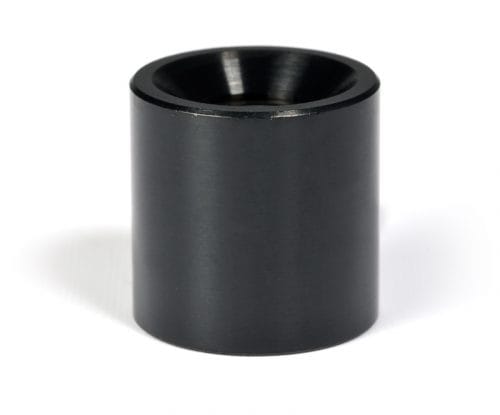
Our custom lens assemblies are designed to be used in all types of medical imaging. Medical imaging is the process of creating images of the human body, from the internal organs, to skeletal imaging, to microscopic diagnostic imaging. Universe Kogaku manufactures devices used in endoscope couplers, fiberscope couplers, diagnostic camera hand pieces, and medical X-ray scanning. Our Medical Imaging Lens assemblies include a standard offering of the most desired relay, 3 CCD relay, mounted and bare achromatic lenses. You will find the most popular combinations of F/no., focal length and back focal length available off-the-shelf, designed for use with today’s high-resolution diagnostic cameras. We produce products that are extremely durable, well made, and very functional. If you are looking for custom lens assemblies for your medical systems, we have dozens of products that you can browse through and you can always talk to one of our qualified experts. We can provide you with recommendations and advice for your lens assembly. Universe has full design capability paired with years of manufacturing experience allowing us to produce any special lens…. in any quantity!
Medical and Forensic Lens Products
Medical and Forensic Lens News

CCD Applications
Charge-coupled devices, or CCDs, are electronic devices that are commonly used in digital cameras and other imaging devices. The CCD lens is a key component in these devices, allowing for high-quality images and video to [...]
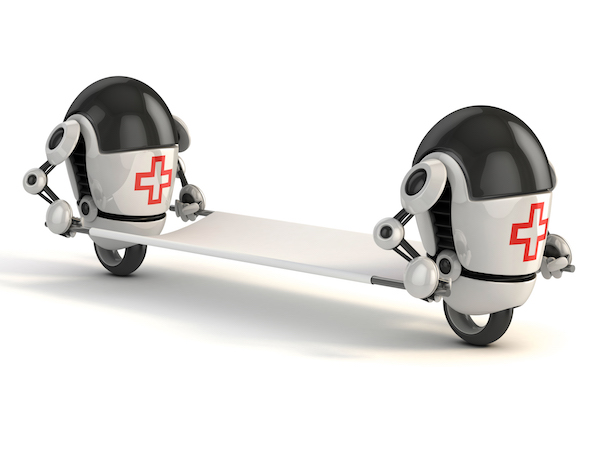
Medical Robots
Robots have been, and still are, a staple of Sci-Fi movies and novels. However, the evolution of technology is quickly bringing them into the medical fields as well. According to one report by Credence Research, [...]
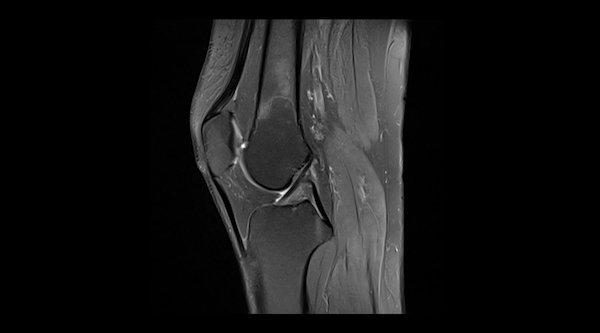
Medical Proton Imaging
The recent research on medical proton imaging is by and large motivated by the desire to gather information using a less invasive source such as X-rays. With the use of a proton microscope, it is [...]

3D Vision-Guided Technology To Package Veterinary Catheters
In the past several years, an increasing amount of companies world-wide have seen the benefits of using machine and robotic vision technology for bin picking tasks. Many UKIVA (UK Industrial Vision Association) members are now [...]

Using Machine Vision For Other Optical Exams
The reason most people visit their optician or ophthalmologist is to have their eyesight tested. However, more than just a routine eye exam can be evaluated when the doctor examines the eyes. A simple ophthalmic [...]

Analyzing Cannabis With Near Infrared Spectroscopy
The legal cannabis industry in the United States is currently experiencing a boom in economic growth, even though it is still illegal at the federal level and in about one-third of the states. To date, [...]
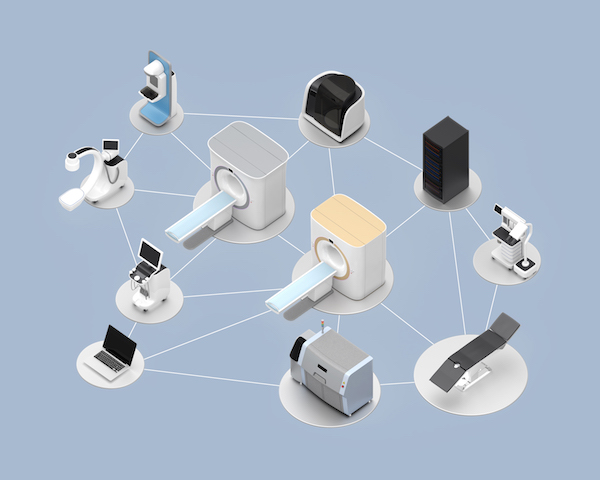
Deep Learning-based Analysis
Radiological x-rays, ultrasounds and NMR’s are all forms of medical imaging that have traditionally required the flexibility of the human eye to detect anomalies within the human body. Since a computer is confused by busy [...]

fMRI Signals
A decade ago it was discovered that functional magnetic resonance imaging – fMRI – signals were able to detect cognitive functions in comatose, or even vegetative patients which spurred new research into consciousness. [...]

Neuroimaging With Machine Learning
Studying the human mind is challenging. Currently, most human brain studies are limited to non-invasive approaches, such as magnetic resonance imaging (MRI). This limits the examination of the human brain at the cellular level, which [...]
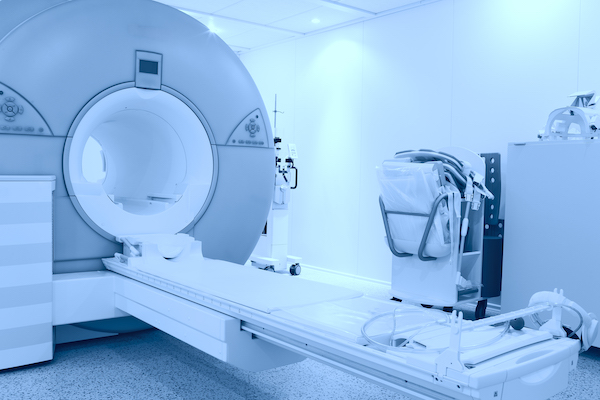
MRI With Proton Beam
MR guidance is emerging as a powerful tool for real-time monitoring of radiation treatments, offering excellent soft-tissue contrast and the ability to track intra-fractional tumor motion. Hybrid devices for MR-guided photon-based radiotherapy are now in [...]
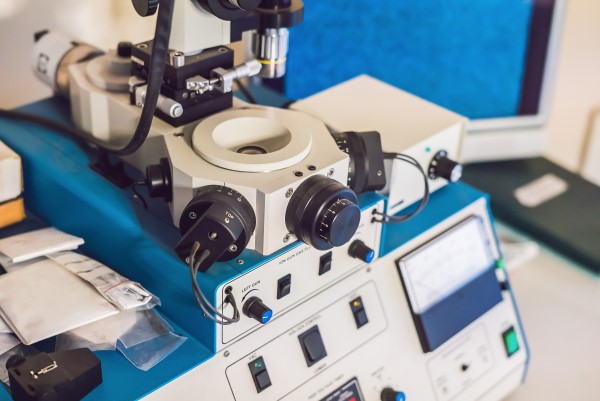
Transmission Electron Microscope
TEM, or Transmission electron microscopy (also sometimes conventional transmission electron microscopy or CTEM) is a microscopy technique in which a beam of electrons is transmitted through a specimen to form an image. The specimen is most often an ultrathin section less than 100 nm [...]
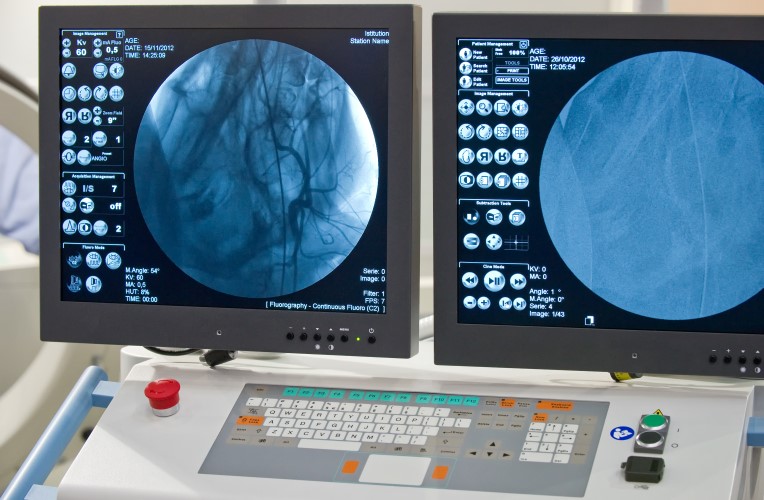
Optical Coherence Tomography Angiography
A new kind of precise and non-invasive imaging called optical coherence tomography angiography (OCTA) has assisted much of the recent research on the eye’s connection with Alzheimer’s. It enables physicians to see the smallest veins in the [...]

Four Types of Barcode Scanners
Barcode scanners are extremely simple devices that can read and output printed barcodes to a computer. Like a flatbed scanner, it consists of a light source, a lens and a light sensor translating optical impulses into electrical ones. Additionally, [...]
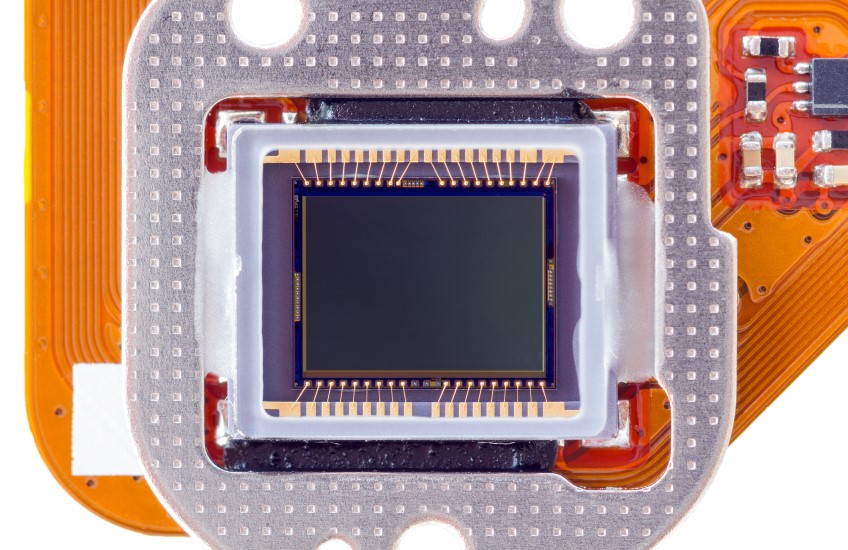
M12 Lenses
M12 Lenses, also referred to as S-Mount Lenses or Micro-Video Lenses, are board lenses used to focus an image onto a camera sensor. They are used in a variety of applications including automotive, forensics, pharmaceutical, [...]

Optical Microscopy
First invented in the 17th century by Dutch scientist Antonie Philips van Leeuwenhoek, the optical microscope is the traditional form of microscopy, and is still in use today. Sometimes known as a light microscope, it [...]
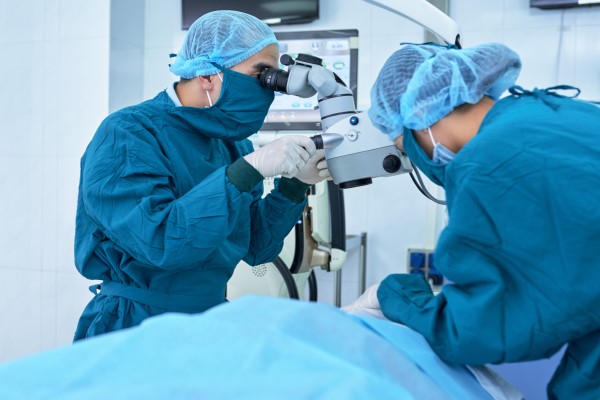
Robotic Surgery
From prostate surgery to gallbladder procedures to heart surgeries, robots are already mainstays in the operating room. Robotic surgery is currently being performed using the da Vinci™ surgical system, which is a unique set of technologies that [...]
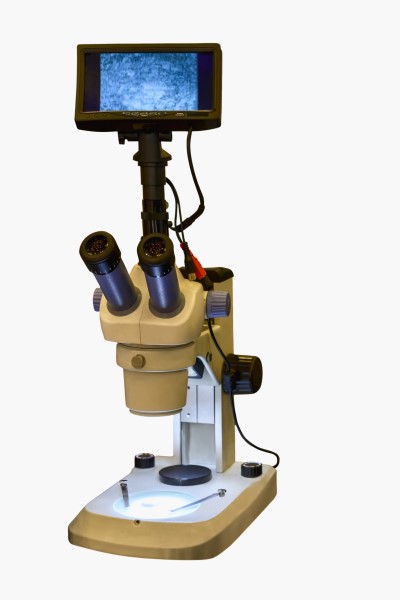
Electron Microscope
The electron microscope is a type of microscope that uses a beam of electrons to create an image of the specimen. It is capable of much higher magnifications and has a greater resolving power than [...]

Optical Conveyor Belt
The theoretical branch of the field of ultracold atoms is completely interdisciplinary, attracting top scientists from atomic, condensed matter, high energy and nuclear physics, as well as from quantum optics and quantum information. […]
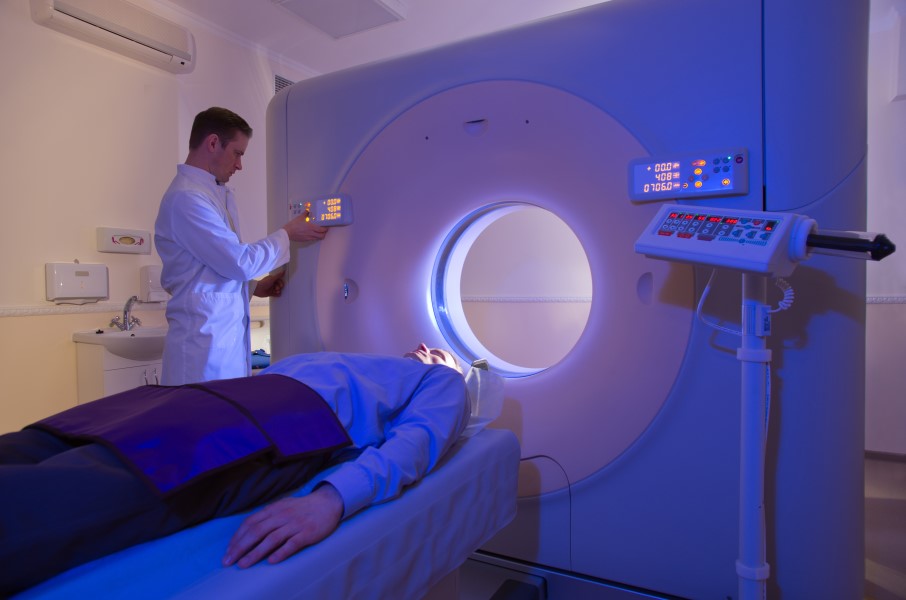
Theragnostic Radiotherapy
By using theragnostic radiotherapy, a personalized treatment plan can be tailored to both the geometric and biological attributes of a patient’s tumor. Medical imaging needs radiation therapy just as radiotherapy needs imaging. Progress in functional [...]
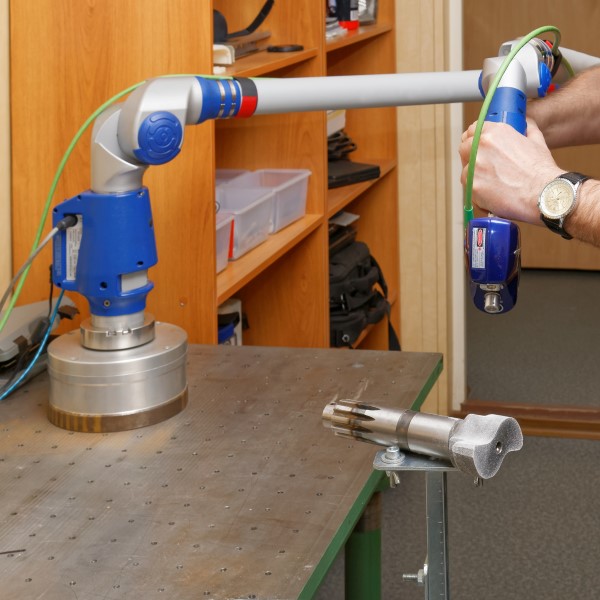
3D Scanning
3D scanning is all about capturing real-world data and converting it into a 3D model. Until recently, 3D scanners were mainly used for industrial applications. 3D printing is becoming more common, especially for hobbyists, and [...]
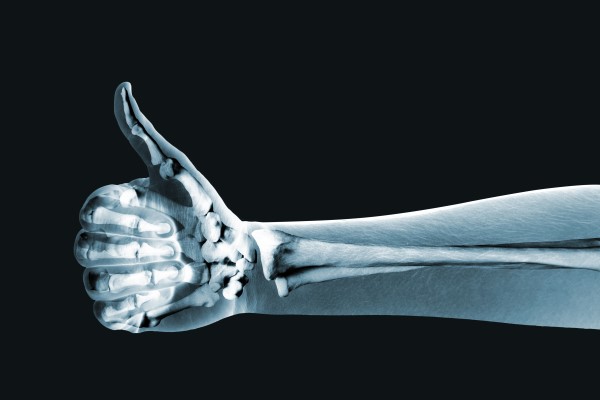
3D X-Ray Spectral Scanner
Phil Butler – a physicist at the University of Canterbury – along with his son, Anthony – a radiologist at the Universities of Otago and Canterbury – invented a revolutionary 3D color medical scanner known [...]

3D Medical Imaging
From the early days of CT scanners and mammography devices, medical imaging has come a long way. With 3D medical imaging, healthcare professionals can now access new resolutions, angles, and details to help them gain [...]
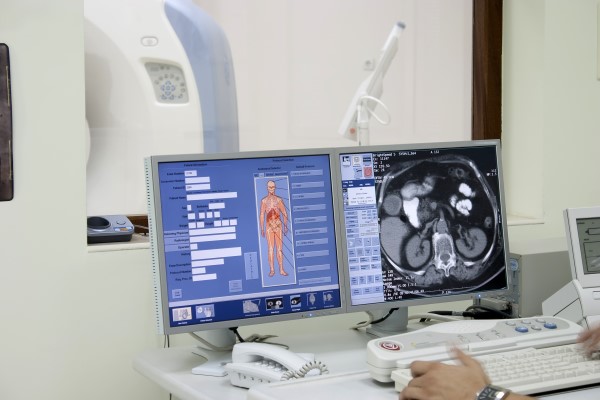
Robot Radiologist
There’s a day looming on the horizon where machines powered by artificial intelligence (AI) will interpret even the most complex clinical images as accurately as today’s most experienced radiologists. […]

Microrobots
Imagine a microscopic machine that could unclog an artery to prevent a heart attack, or swim through one’s blood vessels to carry medicine to a cancerous tumor. Or, perhaps perform delicate vision-saving surgery from the [...]
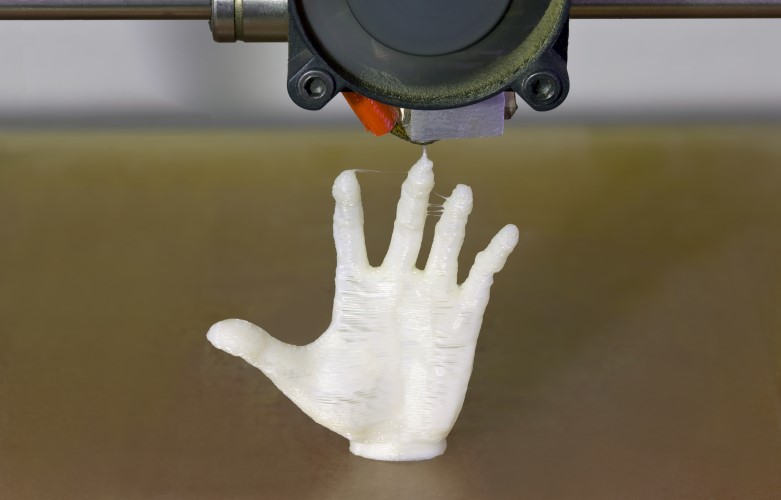
3D print technology in the medical field
With each new year, 3D print technology in the medical field offers greater promise across a wide range of disciplines. While the ultimate goal of printing whole, complex organs for transplants may still be decades [...]