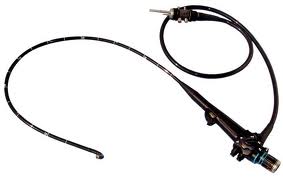
Endoscopy has emerged as one of the most significant advancements in modern medicine, offering physicians the ability to diagnose and treat conditions with remarkable precision while minimizing patient discomfort. By combining fiber optic technology with high-resolution medical imaging lens assemblies, endoscopes allow doctors to view internal organs and structures in real time without the need for large incisions. As medical optics and fiber technologies continue to advance, endoscopy remains at the forefront of innovation in patient care.

The Role of Fiber Optics in Endoscopy

Fiber optic technology is the foundation of modern endoscopy. These ultra-thin, flexible glass or plastic strands transmit both light and images inside the human body, making it possible for physicians to diagnose and treat diseases through tiny incisions rather than major surgeries.

Fiber Optic Light Delivery Systems

Endoscopes rely on fiber optics to deliver bright, focused light deep inside the body where conventional lighting cannot reach.

  • External light sources, usually xenon or LED lamps, are channeled through fiber bundles to illuminate areas such as the stomach lining, lungs, or sinuses.
  • Consistent illumination enables clear visualization of mucosal surfaces, essential for detecting ulcers, polyps, or tumors.
  • By reducing shadows and glare, fiber optic lighting improves the accuracy of surgical navigation.

Transmission of High-Resolution Images

Fiber optics also transmit real-time, high-resolution images from inside the body to external viewing systems.

  • A fiber optic imaging bundle, containing thousands of hair-thin fibers, carries image data from the scope’s distal lens to a camera or eyepiece.
  • This allows physicians to see fine details such as vascular patterns, tissue texture, or early-stage lesions on large, high-definition monitors.
  • In complex surgeries, high-resolution imaging provides critical guidance for precision biopsies or microsurgical procedures.

Advantages of Fiber Optics in Endoscopy

The use of fiber optics in medical imaging brings practical advantages that directly impact patient outcomes:

  • Flexibility: Fiberscopes can bend and maneuver through narrow passages like the bronchi, urinary tract, or bile ducts.
  • Precision: Enhanced image clarity helps doctors differentiate between healthy and diseased tissues, improving diagnostic accuracy.
  • Safety: Smaller incisions lower the risk of bleeding, infection, and scarring.
  • Reduced Invasiveness: Patients experience less postoperative pain, shorter hospital stays, and faster recovery.
  • Therapeutic Capability: Combined with lasers, fiber optics allow simultaneous viewing and treatment, such as cauterizing bleeding vessels or removing tumors.

Structure and Function of an Endoscope

The endoscope is a sophisticated medical instrument designed to explore and treat internal structures of the body with minimal invasiveness. Its design integrates multiple optical and mechanical systems, each serving a vital role in illumination, imaging, and surgical intervention.

Core Components of an Endoscope

  • Rigid or Flexible Tube: Provides the structural body of the device. Flexible tubes are essential for navigating curved passages like the gastrointestinal tract, while rigid tubes are often used in orthopedics or ENT procedures.
  • Optical Fiber System: Delivers light and transmits images from within the body. Thousands of fine optical fibers ensure bright illumination and high-quality imaging.
  • Light Delivery System: External light sources (LED or xenon) transmit through fibers to illuminate target tissues, ensuring clear visualization during procedures.
  • Imaging Lens Assemblies: Specialized medical lenses capture and relay images from the distal end of the scope to the eyepiece or digital camera. High-resolution assemblies are critical for accurate diagnostics.
  • Eyepiece/Camera Connection: Provides real-time viewing through an optical eyepiece or high-definition video on a monitor, enabling detailed observation of tissues.

Relay Lens Assemblies and Medical Imaging SystemsEndoscopy

  • Relay lens assemblies transmit optical images over long distances inside the tube without distortion.

Companies such as Universe Kogaku supply advanced medical imaging lens systems including:

  • Relay lenses for transmitting clear images through the endoscope.
  • 3 CCD relay systems for color imaging and diagnostic accuracy.
  • Mounted and bare achromatic lenses that reduce chromatic aberration and improve resolution.

Additional Channels for Surgical Instruments

Modern endoscopes are not limited to visualization, they also function as surgical platforms.

  • Built-in channels allow surgeons to insert instruments such as biopsy forceps, snares, scissors, or cauterization probes.
  • This enables doctors to perform biopsies, polyp removal, tissue sampling, or cauterization without needing additional incisions.
  • The combination of imaging and operative capability makes endoscopes indispensable in both diagnostics and minimally invasive surgery.

Medical Applications of Endoscopy

Endoscopic technology is applied across a wide spectrum of medical fields. Each specialty uses it to diagnose conditions, perform biopsies, and even carry out minimally invasive surgeries.

Gastrointestinal Tract

Colonoscopy

  • Detects polyps, colorectal cancer, ulcerative colitis, and Crohn’s disease.
  • Enables polyp removal during the same procedure to prevent cancer progression.
  • Identifies sources of rectal bleeding or unexplained anemia.

Gastroscopy (Upper Endoscopy)

  • Examines the esophagus, stomach, and duodenum.
  • Diagnoses gastric ulcers, esophageal varices, and early gastric cancers.
  • Collects biopsies to test for Helicobacter pylori, linked to ulcer formation.

Respiratory Tract

Bronchoscopy

  • Directly visualizes the trachea and bronchi to detect infections, tumors, or blockages.
  • Allows removal of foreign bodies from the airway.
  • Collects tissue biopsies or fluid samples (bronchoalveolar lavage) for diagnosing lung cancer or infections such as tuberculosis.

Ear, Urinary Tract, and Reproductive System

Endoscopic Ear Procedures

  • Identifies middle ear infections, eardrum perforations, or cholesteatomas.
  • Assists in minimally invasive ear surgeries.

Cystoscopy

  • Examines the bladder and urethra for strictures, stones, or tumors.
  • Used for bladder cancer surveillance and to explain causes of recurrent UTIs.

Hysteroscopy

  • Visualizes the uterine cavity to detect fibroids, adhesions, or endometrial polyps.
  • Plays a key role in fertility investigations and guiding corrective procedures.

Closed Body Cavities (Minimally Invasive Surgery)

Laparoscopy

  • Provides access to the abdomen and pelvis through small incisions.
  • Common procedures include cholecystectomy (gallbladder removal), appendectomy, hernia repair, ovarian cyst removal, and bariatric surgery.
  • Minimizes recovery time compared to open abdominal surgeries.

Arthroscopy

  • Examines and repairs joints such as the knee, shoulder, or hip.
  • Used for diagnosing torn menisci, ACL injuries, and arthritis-related damage.
  • Allows precise surgical repair without large incisions.

Neurological Procedures

Neuroendoscopy

  • Treats colloid cysts, pituitary adenomas, brain tumors, and hydrocephalus.
  • Performed through a small burr hole, avoiding the need for a full craniotomy.
  • Reduces risk of damage to healthy brain tissue and speeds up recovery.

Plastic and Reconstructive Surgery

Breast Augmentation

  • Endoscope-assisted techniques allow smaller, less visible incisions (often under the armpit).
  • Reduces scarring and enhances precision in implant placement.

Face-Lifts

  • Uses tiny incisions hidden in the hairline.
  • Enables precise repositioning of tissues while reducing trauma and healing time.

Tummy Tucks (Abdominoplasty)

  • Improves accuracy when tightening abdominal muscles.
  • Reduces incision length and postoperative complications.

Advanced Endoscopic Technologies

The evolution of endoscopy is closely linked to advancements in optics, imaging, and laser applications. These technologies continue to push the boundaries of what can be visualized and treated through minimally invasive techniques.

Integration of High-Resolution Medical Imaging Lens Assemblies

Modern endoscopes are equipped with precision lens systems that enhance image quality and diagnostic accuracy.

  • Relay Lens Assemblies: Transmit images over long distances within the scope without distortion.
  • 3-CCD Relay Systems: Deliver superior color accuracy and clarity, crucial for differentiating between healthy and diseased tissues.
  • Achromatic Lenses: Minimize chromatic aberrations, producing sharper, true-to-color images.
  • Applications: Used in endoscope couplers, diagnostic camera handpieces, and fiberscope systems for surgical precision.

Specialized Endoscopes

Different medical specialties rely on specialized endoscopes tailored to specific anatomical regions.

Arthroscopes

  • Built with straight, rigid tubes and fiber optics.
  • Used to examine and repair joints such as the knee, shoulder, and hip.
  • Provide both visualization and operative channels for ligament repair or cartilage smoothing.

Laparoscopes

  • Inserted through small abdominal incisions.
  • Commonly used for gallbladder removal, hernia repairs, appendectomies, and gynecological surgeries.
  • Offer panoramic imaging with minimal patient trauma.

Use of Laser Technologies

Lasers are increasingly integrated into endoscopic systems for combined visualization and treatment.

  • Cauterization: Fiber optic laser delivery systems seal blood vessels during procedures, minimizing bleeding.
  • Tissue Removal: UV and IR lasers precisely remove tumors, cysts, or diseased tissues without large incisions.
  • Dual Role: Enables doctors to see and treat simultaneously, reducing procedure times.

Future Directions in Endoscopic Technology

Continuous research and development are driving the next generation of endoscopes.

  • Enhanced Fiber Optics: Thinner, more flexible fibers that improve maneuverability in complex anatomical pathways.
  • High-Definition and 3D Imaging: Sharper visualization for surgical accuracy and training applications.
  • Laser-Assisted Robotics: Integration with robotic-assisted surgery for extreme precision.
  • Smart Endoscopes: Potential use of AI-assisted image recognition to detect abnormalities in real time.

Endoscopy has transformed patient care by combining fiber optics, advanced imaging, and minimally invasive techniques. It enables precise diagnosis and treatment across multiple specialties while reducing risk, pain, and recovery time. With ongoing advances in high-resolution optics and laser-assisted systems, endoscopy continues to shape the future of modern medicine.

Partner with Universe Optics for precision-engineered lens assemblies that enhance endoscopy and drive innovation in medical imaging.